Bispebjerg Hospital in Copenhagen sits at the centre of Denmark’s colorectal cancer care network, but its reach extends far beyond the capital. The hospital also serves patients from Bornholm, the Faroe Islands and Greenland, where geography, language and resource differences create significant barriers to equal access to cancer care.
Patients living on remote islands often face delayed consultations, fragmented communication and reduced continuity of care compared with those treated locally in Copenhagen. Ensuring consistent, high-quality colorectal cancer care across such diverse settings remains a persistent clinical and logistical challenge.
Henry George Smith, an associate professor of clinical research at Bispebjerg-Frederiksberg Hospital, is leading efforts to change this.
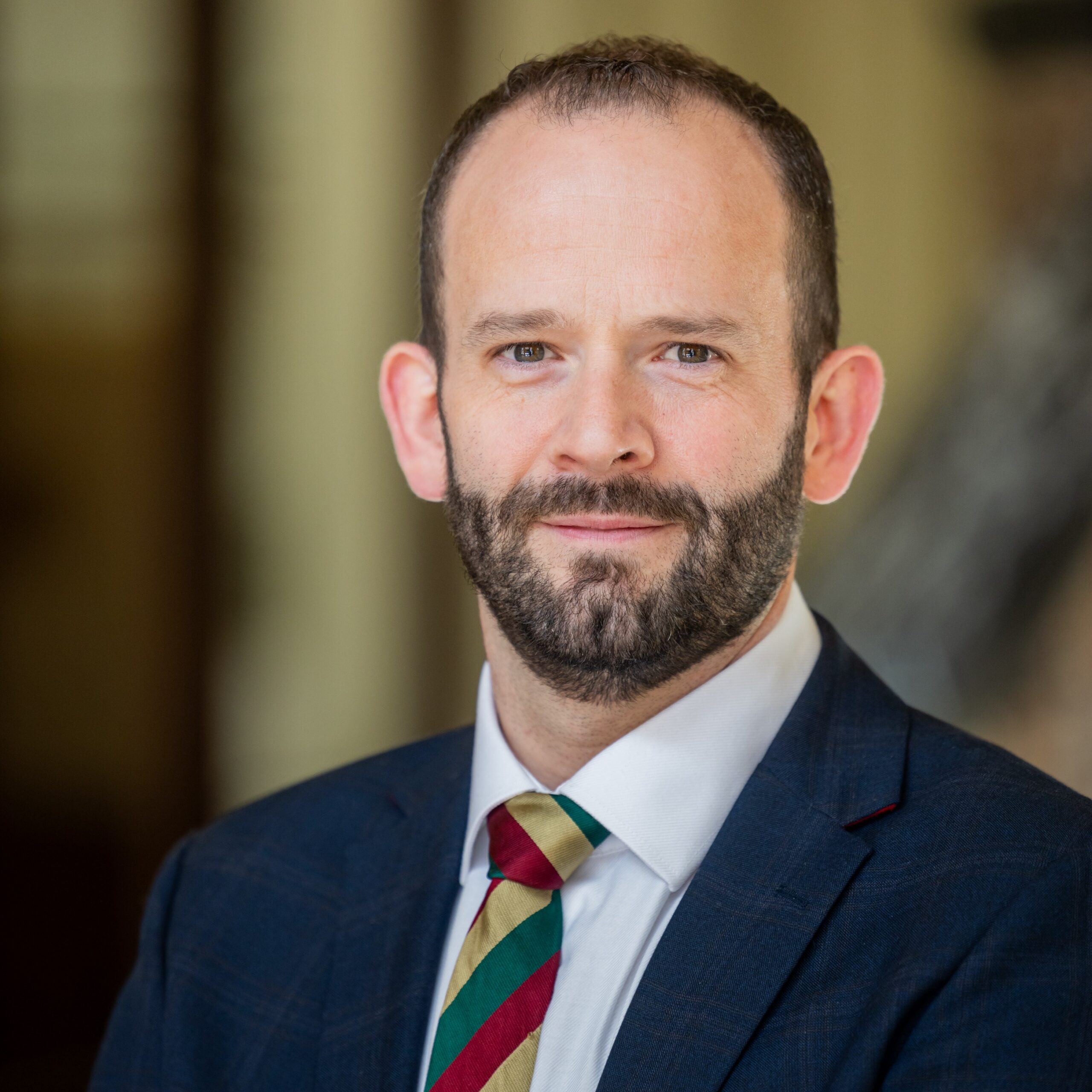
At the European Cancer Summit 2024, he was awarded a European Cancer Community Foundation Workforce Grant for his project, ‘Developing a virtual multidisciplinary team workflow to optimise colorectal cancer care for patients from diverse resource settings’.
‘Geographical, cultural and linguistic barriers can lead to inequalities between patient groups,’ said Smith. ‘We wanted to find a way to make specialist colorectal cancer care more consistent, regardless of where patients live.’
The project is focused on building virtual multidisciplinary teams (MDTs) designed to bring specialist expertise closer to patients, while easing pressure on hospital services in Copenhagen. It is structured around three key elements:
- a virtual clinic that enables pre- and post-operative video consultations with the full care team
- a virtual school for patients offering online resources explaining treatment pathways and recovery
- a virtual outreach team supporting patients with long-term side effects or those not eligible for curative treatment
Together, these components aim to ensure that island patients receive the same level of information, preparation and continuity of care as patients in the capital.
Early progress from the project has already led to the development of an online patient information resource available in multiple languages and formats.
‘This ensures that all patients can access information about their treatment in a way they can understand,’ Smith explained. ‘It also frees up valuable time within outpatient clinics.’
Beyond improving efficiency, the initiative highlights a broader shift towards more flexible, digitally-enabled cancer care models that can be adapted to other healthcare systems facing similar geographical and resource-based inequalities.
By rethinking how multidisciplinary cancer care is delivered across distance, Smith’s work is helping to reduce inequities while strengthening the resilience of colorectal cancer services in Denmark.